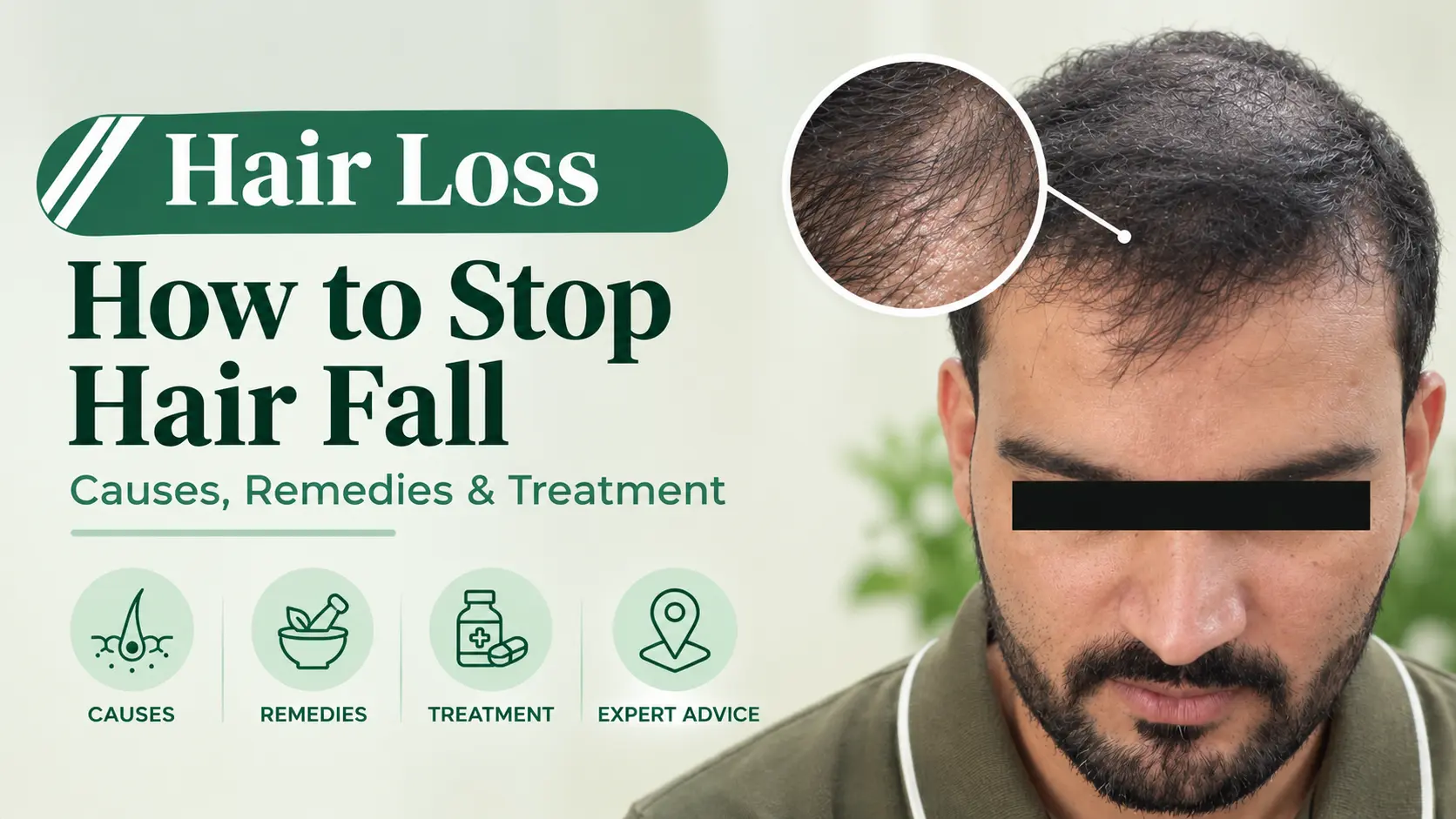
Hair fall reasons can differ substantially from one another, and they include factors such as stress, poor nutrition, hormones, genetic reasons, an inflammatory process taking place on the head, excessive hair styling, and so on. If you want to find a way to stop your hair fall problem, first, it is necessary to determine your particular reason. Buying all available products for treatment without any understanding of the problem will not help you solve it.
Some cases of hair fall will resolve themselves as soon as the provoking factor disappears, but others, for example, those of hereditary nature, require constant management. How can you know what exactly you need? Only based on your health history and symptoms.
Following the huamznie hair approach will be helpful in this case because it covers all the essential information regarding hair problems.
How Much Hair Fall Per Day Is Normal?
Loosing anywhere between 50 to 100 hairs a day is normally nothing to worry about. Hair growth occurs cyclically, meaning that there will always be some loose hairs due to the hair fall out and regrowth process. However, this does not necessarily mean that you are loosing hair density.
Take note of any changes, rather than the actual number of hairs falling off.
When should you be concerned?
Hair falls out in clumps, or there are more strands being pulled out than normal on your brush.
There is a widening of the parting line, your temples are receding, or your scalp seems to have less hair on it than before.
- Smooth round bald patches appear unexpectedly.
- Your scalp gets inflamed, itchy, or begins to shed excessively.
- No matter what you do, the hair loss keeps happening again and again.
- You begin to see hair fall out of your eyebrows or eyelashes as well as your head.
Why Is Your Hair Falling Out?
1. Hereditary Hair Loss
Family history can play an important role in hair loss. Androgenetic alopecia, also known as pattern hair loss, can cause a receding hairline or thinning at the crown in men. Women may notice a wider hair part or reduced hair density across the top of the scalp. This type of hair loss usually develops gradually, so early assessment can help identify suitable treatment options.
2. Stress and Illness
Physical or emotional stress can disrupt the natural hair growth cycle. High fever, major illness, surgery, childbirth, severe stress or rapid weight loss may trigger a condition called telogen effluvium, which causes excessive hair shedding. Shedding often starts a few months after the trigger. Hair growth may gradually return to normal once the underlying cause resolves.
3. Nutritional Deficiencies
Your hair needs adequate iron, protein and other essential nutrients to grow normally. Low iron levels and insufficient protein intake can contribute to hair shedding. Vitamin D and zinc deficiencies may also play a role in some cases. However, not every person with hair loss has a nutritional deficiency, so identifying the actual cause is important before taking supplements.
4. Hormonal Changes and Medical Conditions
Hormonal changes and certain medical conditions can affect normal hair growth. Thyroid disorders, pregnancy, menopause and other hormonal changes may contribute to increased shedding or thinning. Some medicines can also affect the hair growth cycle. If you suspect a prescribed medicine is causing hair loss, speak with your doctor before making any changes.
5. Dandruff and Scalp Conditions
Can dandruff cause hair fall? Dandruff does not usually cause permanent hair loss, but an irritated or inflamed scalp can make the problem worse. Conditions such as seborrheic dermatitis may cause itching, redness and flaking, while frequent scratching can contribute to hair breakage. Scalp infections and other inflammatory conditions can also cause patchy hair loss and may require medical treatment.
6. Tight Hairstyles and Hair Damage
Regularly wearing tight ponytails, buns, braids or hair extensions can pull on the hair roots and lead to traction alopecia. Prolonged tension may permanently damage hair follicles. Frequent heat styling, harsh chemical treatments and rough brushing can also weaken hair strands, causing breakage that may look like excessive hair fall.
How to Stop Hair Fall: Step-by-Step Actions
1. Identify What Is Causing Your Hair Fall
Start by noticing when your hair fall began and whether it is sudden or gradual. Think about recent illness, stress, weight loss or hormonal changes that may have affected your hair growth. Also, look at the pattern. Diffuse thinning across the scalp, a receding hairline and distinct bald patches can indicate different types of hair loss. A dermatologist can examine your scalp and recommend blood tests to check iron levels, thyroid function or other possible deficiencies when necessary.
2. Improve Your Daily Hair Care Routine
A gentle hair care routine helps reduce breakage and protect fragile strands. Choose a shampoo that suits your scalp, apply conditioner to reduce tangling and avoid aggressive brushing, especially when your hair is wet. Limit heat styling, avoid tight hairstyles that pull at the roots and use an appropriate product to manage dandruff if needed. Also, avoid scratching or picking at your scalp. Washing your hair does not normally cause permanent hair loss. It simply makes loose hairs more noticeable.
3. Eat a Balanced Diet with Enough Protein
Your hair needs adequate protein, energy and essential nutrients to grow normally. Include protein-rich foods such as eggs, fish, meat, dairy products, beans and lentils in your daily meals. Choose a varied, balanced diet instead of relying on one special food or supplement. Avoid crash diets and rapid weight loss because eating too little can trigger excessive hair shedding, sometimes several months after the diet begins.
4. Manage Stress and Get Enough Sleep
Ongoing stress may contribute to temporary hair shedding in some people. Maintain a regular sleep schedule, stay physically active and make time for activities that help you manage stress. These healthy habits support your overall well-being, but they cannot replace medical treatment when hair loss results from genetics, scalp conditions or other health problems.
5. Choose the Right Treatment for Your Hair Loss
The best hair loss treatment depends on what is causing the problem. Treating an underlying illness or nutritional deficiency may help restore normal hair growth. Pattern hair loss may respond to specific medications, while scalp inflammation and infections require different treatments. A dermatologist may also consider options such as PRP therapy for suitable patients after assessing their condition. Avoid starting supplements, hair growth serums or procedures without first understanding whether they are appropriate for your type of hair loss.
How to Reduce Hair Fall Naturally at Home
1. Use Hair Oils Carefully
Some hair oils may help protect your hair from dryness and breakage. Coconut oil, for example, may reduce damage to the hair shaft caused by grooming. However, there is limited evidence that it can treat hair loss from the follicles or stimulate new hair growth. If you use hair oil, choose one that suits your scalp and stop applying it if you notice itching, irritation or redness. Essential oils can trigger allergic reactions, so never apply them directly without proper dilution.
2. Try a Gentle Scalp Massage
A gentle scalp massage may help you relax and feel more comfortable. However, current evidence does not establish scalp massage as an effective treatment for hair loss or a reliable way to promote hair regrowth. Avoid rubbing or pulling your hair aggressively, as this can cause unnecessary breakage.
3. Keep Your Scalp Clean and Healthy
Choose shampoo and scalp care products according to your scalp condition. If you have dandruff, use an appropriate anti-dandruff shampoo to manage flaking and irritation. Regular scalp cleansing helps maintain scalp hygiene, but washing your hair more frequently will not reverse hereditary hair loss or correct nutritional deficiencies.
4. Protect Your Hair While Sleeping
Protect your hair overnight by avoiding tight ponytails, buns or hairstyles that pull on the roots. A smooth silk or satin pillowcase may reduce friction, tangling and hair breakage while you sleep. However, these simple changes cannot treat hair loss caused by damaged follicles, genetics or medical conditions.
How to Stop Hair Fall Immediately at Home
If you are searching for how to stop hair fall instantly at home, the important point is that there is no proven method that stops all hair loss in one day.
You can take practical steps today:
Loosen tight hairstyles and avoid pulling on your hair.
Use a gentle shampoo and conditioner if your scalp needs washing.
Pause harsh chemical treatments and excessive heat styling.
Eat regular, balanced meals instead of skipping food or crash dieting.
Avoid starting several supplements or scalp products at once.
Arrange an assessment if shedding is sudden, severe or persistent.
These steps can reduce avoidable damage. They will not immediately reverse genetic hair loss or correct every medical cause.
What to Eat to Stop Hair Fall Immediately
1. Eat Protein-Rich Foods for Healthy Hair Growth
Your hair needs enough protein to maintain its structure and support normal growth. Include foods such as eggs, fish, chicken, milk, yoghurt, lentils, chickpeas and beans in your daily meals. A protein-rich, balanced diet helps support healthy hair, especially if your current diet does not provide enough protein.
2. Include Iron-Rich Foods in Your Diet
Low iron levels can contribute to excessive hair shedding in some people. Include iron-rich foods such as meat, lentils, beans and leafy green vegetables in your meals. Pair plant-based iron sources with vitamin C-rich foods, such as oranges, lemons or tomatoes, to help your body absorb iron. If you have an iron deficiency, dietary changes alone may not be enough, so consult a clinician about appropriate testing and treatment.
3. Eat Foods Containing Zinc and Vitamin D
Zinc and vitamin D support several important functions in the body, including those involved in normal hair health. Meat, seafood, dairy products, legumes, nuts and seeds provide zinc. You can obtain vitamin D from selected foods and fortified products, while your skin produces it through sunlight exposure. Include a variety of these foods in your diet rather than relying on high-dose supplements without identifying a deficiency.
4. Do You Need Biotin or Hair Growth Vitamins?
Not everyone with hair fall needs biotin or hair growth supplements. These products may help when a specific nutritional deficiency exists, but taking extra vitamins does not automatically improve hair growth. In fact, excessive intake of certain nutrients, including vitamin A and selenium, can contribute to hair loss. Speak with a qualified clinician before taking high-dose supplements, particularly if you use medication or have an existing health condition.
How to Stop Hair Fall for Men
Men commonly experience androgenic alopecia, which causes a receding hairline, thinning at the temples or reduced density at the crown. Other causes, such as illness, nutritional deficiencies, scalp inflammation and stress, can also affect men.
What can men do to control hair fall?
Seek assessment when thinning begins rather than waiting for extensive hair loss.
Ask whether the pattern suggests hereditary hair loss or another condition.
Discuss minoxidil and other suitable medical options with a clinician.
Avoid tight hairstyles and aggressive grooming.
Check for dandruff or scalp irritation that needs treatment.
Maintain a balanced diet and avoid unneeded supplements.
Minoxidil can help some people with pattern hair loss, but results take time and continued use is generally needed to maintain its benefits. Finasteride is a prescription option for selected men, and its potential side effects should be discussed with a qualified clinician.
Do not start prescription hair loss medicines without medical advice.
How to Stop Hair Fall in Women
Women may experience diffuse shedding, a widening part, hereditary thinning or temporary hair loss after pregnancy. Iron deficiency, thyroid disorders, restrictive diets, illness and hormonal changes may also play a role.
What can women do to control hair fall?
Seek assessment for persistent shedding or a widening part.
Mention heavy periods, recent childbirth, weight loss or changes in medication during your consultation.
Eat enough protein and iron-rich foods.
Avoid tight hairstyles and repeated chemical or heat treatments.
Ask whether blood tests are appropriate before taking supplements.
Discuss treatment options that fit your diagnosis and pregnancy plans.
Postpartum hair loss often improves as the hair growth cycle returns to normal. However, severe or prolonged shedding should not automatically be attributed to childbirth.
Minoxidil may be an option for some women with pattern hair loss. It is not suitable for everyone, and anyone who is pregnant, planning pregnancy or breastfeeding should seek medical advice before using hair loss medicines.
Hair Fall Diagnosis and Treatment at Skinology, Multan
If you are looking for help with hair fall in Multan, Skinology Laser & Aesthetics can assess your concerns and discuss suitable hair restoration options.
Your treatment plan should depend on the type of hair loss, scalp findings, health history and goals. Depending on your assessment, options may include medical management, advice on scalp care or PRP and PRGF hair therapy for suitable candidates.
PRP and PRGF are not guaranteed solutions, and they may not be appropriate for every type of hair loss. Start with a consultation to understand your options before choosing a procedure.
Book a hair loss consultation at Skinology, Multan to discuss your symptoms and explore a treatment plan suited to your needs.
Explore our PRP Hair Treatment in Multan page for more information.