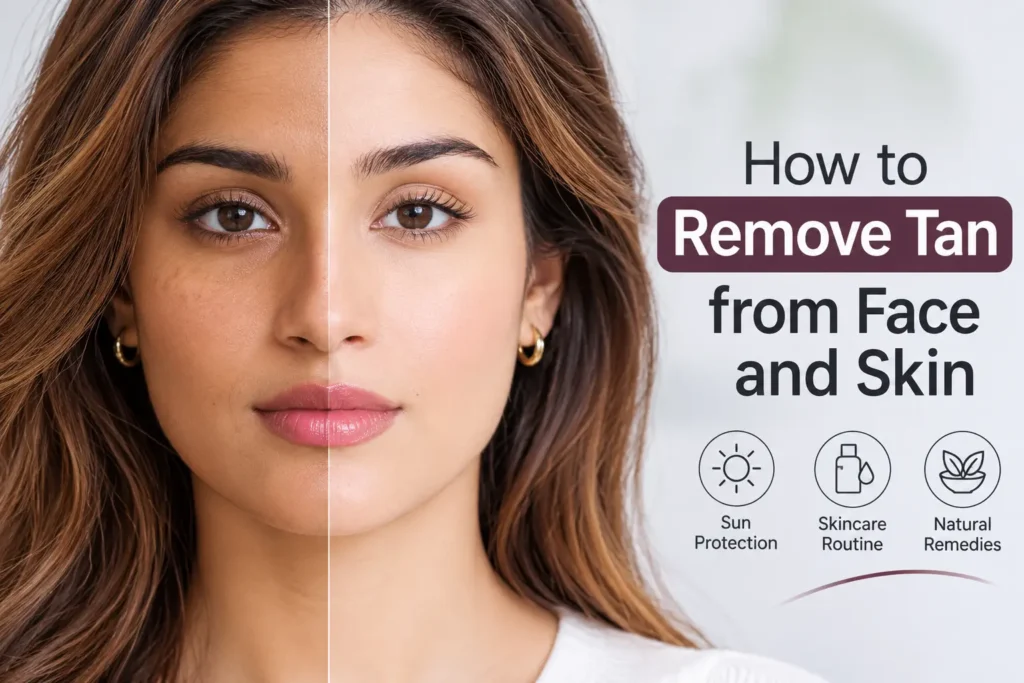
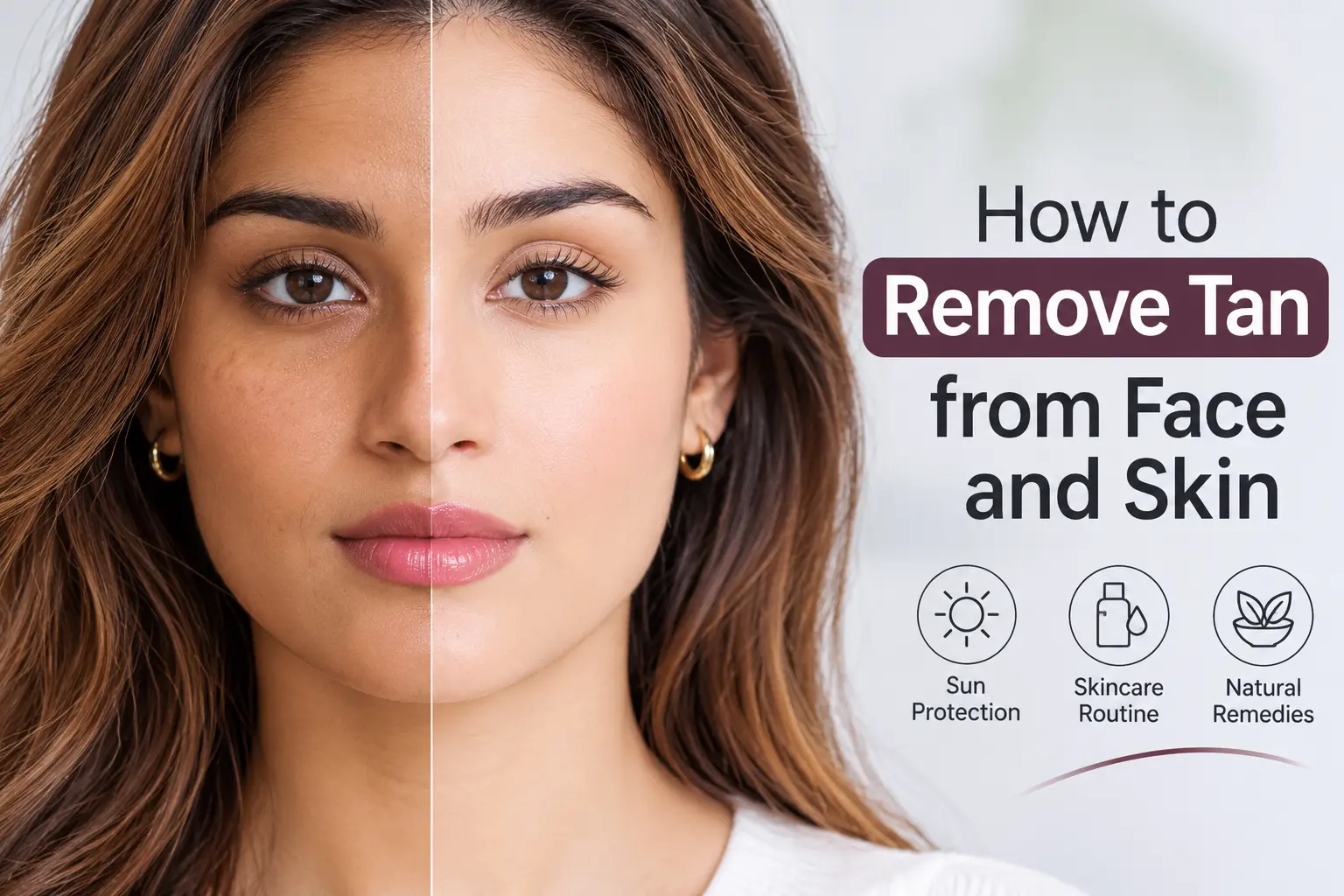
A sun tan fades on its own as your skin naturally sheds its outer layer, usually within 4 to 6 weeks. You can speed up that process and support your skin while it happens, but there’s no product that erases a tan overnight, no matter what the packaging promises.
Why you tan in the first place
UV rays from the sun trigger your skin to produce extra melanin, the pigment that darkens skin, as a natural defense mechanism.
UV rays from the sun trigger your skin to produce extra melanin, the pigment that darkens skin, as a natural defense mechanism.
Why this is such a bigger problem in Pakistan's summers
Pakistan doesn’t get a short, mild summer. From April through September, much of the country, and Multan especially, sees intense heat and direct sun exposure for months at a stretch, with May through August being the harshest stretch of the year.
Multan in particular is known for some of the highest temperatures in the country, which means UV exposure here isn’t occasional, it’s a daily reality for half the year.
That changes who actually needs to think about tan removal, and how often.
Students and college-goers commuting to campus daily, often on foot, by rickshaw, or on a bike, pick up tanning on the face, neck, and hands simply from the commute, not from choice.
Working professionals, especially those in marketing, sales, or field-based roles that involve regular outdoor client visits or site work, deal with tanning as an unavoidable part of the job, not a lifestyle choice.
Brides-to-be preparing for a wedding often start tan-fading and brightening routines weeks or months in advance, timing matters here more than for anyone else, since rushed, aggressive treatments right before an event carry more risk of irritation.
If any of this sounds like you, the approach below is worth tailoring to how much time you actually have before you need results.
Safe ways to fade a tan
Exfoliation
Gently removing the outer layer of pigmented, dead skin cells is the most reliable way to speed up fading. You have two real options:
- Chemical exfoliants, using AHAs like glycolic or lactic acid, dissolve dead skin cells without physical scrubbing, generally gentler and more even in result.
- Mechanical exfoliants, a soft washcloth or gentle scrub, physically remove dead skin, better suited to thicker or oilier skin types.
Go gentle either way. Over-exfoliating can trigger breakouts, and on medium to darker skin tones specifically, it can actually cause new dark spots instead of fixing the tan, the opposite of what you’re trying to achieve.
Brightening actives
Look for products containing vitamin C, niacinamide, azelaic acid, kojic acid, or alpha arbutin, these ingredients are commonly recommended by dermatologists for evening out tone and gradually fading pigment, though they typically need several weeks of consistent use before you see real change.
Mild home remedies
A besan (gram flour) and yogurt or milk paste is a common, gentle exfoliant used widely across Pakistan, the lactic acid in yogurt mildly exfoliates while besan helps lift surface buildup. Turmeric and aloe vera are often added for their calming, soothing effect on freshly sun-exposed skin.
Worth being honest here, same as with any home remedy: these help with surface brightness and calming irritated skin, but they aren’t a substitute for actual pigment-targeting actives if you’re dealing with a stubborn, deep tan.
How to remove tan from hands
Hands tan differently from the face, thinner skin, more frequent sun exposure during daily tasks, and generally less consistent sunscreen use.
A gentle nail buffer can help with stubborn tan lines on the tougher skin of the hands specifically, while the same exfoliation and brightening approach above works for the backs of the hands and wrists. Keep moisturizing after exfoliating here too, the skin on hands dries out faster than facial skin and can crack if over-exfoliated without follow-up care.
What to avoid
Undiluted lemon juice is one of the most commonly repeated pieces of bad advice online. Straight lemon juice is highly acidic and can genuinely burn or irritate skin, if you use it at all, dilute it heavily and rinse off within a few minutes, never apply it right before sun exposure.
Unregulated bleaching or whitening creams sold without proper labeling can contain steroids or mercury, neither listed on the packaging, and can cause lasting skin damage with regular use.
Household cleaning products have no place on skin, ever, regardless of what a viral social media post claims.
When home remedies aren't enough: in-clinic options
If you’ve been consistent with exfoliation and brightening actives for several weeks without real change, or you’re dealing with a deep, stubborn tan rather than mild discoloration, a clinic treatment works faster and more predictably than anything you can do at home:
- Chemical peels exfoliate deeper and more evenly than any at-home scrub, often showing visible brightening after just one or two sessions.
- Pico laser targets stubborn pigment directly, a good option when a tan has left behind patchy, uneven marks rather than fading uniformly.
- IPL treatment can help with broader tone evening and sun damage across larger areas like the face and neck.
Which one actually fits depends on how deep the pigment sits and your skin tone, which is exactly what a proper consultation sorts out.
A note on skin whitening injections
It’s worth being direct about this, since it comes up often alongside tan removal searches: skin whitening injections (commonly glutathione-based) are a completely different treatment from tan removal, and they’re not something we’d recommend pursuing casually. A tan is temporary and reversible with time and proper care.
Permanently lightening your skin beyond its natural tone is a different claim altogether, and unregulated whitening injections carry real safety concerns, including reported effects on liver and kidney function when used without proper medical supervision.
If skin tone evenness, not literal skin lightening beyond your natural shade, is your actual goal, pigmentation treatments like Pico laser or chemical peels are the safer, evidence-based path.
Why Choose Skinology Laser and Aesthetics?
Choosing an aesthetic clinic is an important decision, particularly when considering facial enhancement procedures.
At Skinology Laser and Aesthetics, located on Aziz Bhatti Road, Saddar, Multan Cantt, patients can explore professional skin care and aesthetic consultation options.
The right aesthetic approach should prioritize:
Individual facial assessment.
Treatment recommendations based on your concerns.
Clear explanations of expected results.
Appropriate medical screening.
Patient safety and realistic expectations.
Professional aftercare guidance.
Rather than following temporary beauty trends, it is important to select an approach that complements your natural facial features.
Still dealing with a stubborn tan?
If weeks of home care haven’t made a real difference, Skinology Laser & Aesthetics in Multan Cantt can tell you honestly whether a chemical peel, Pico laser, or a different approach fits your skin. Book a consultation to find out what will actually work for you.